Where it begins
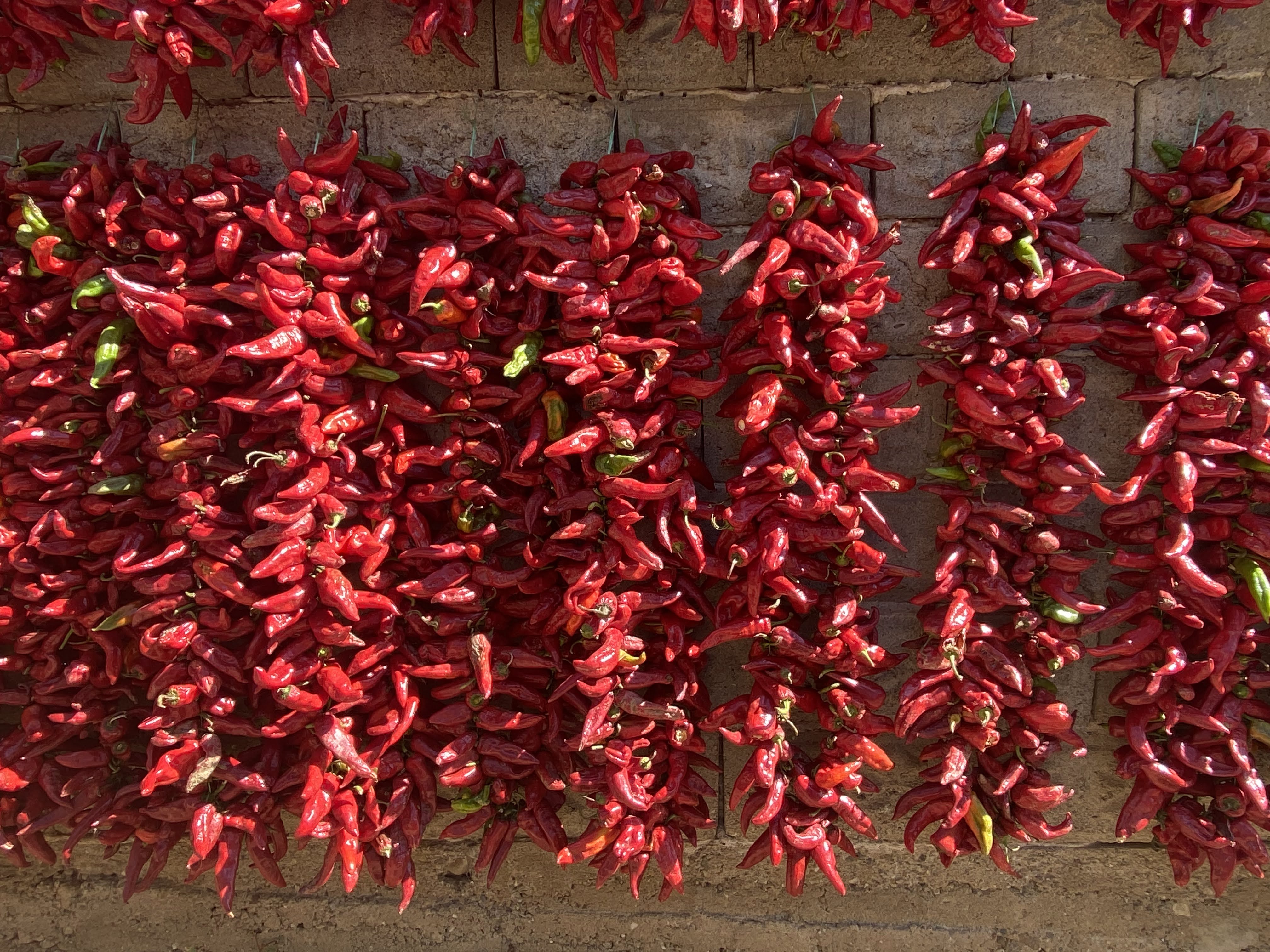
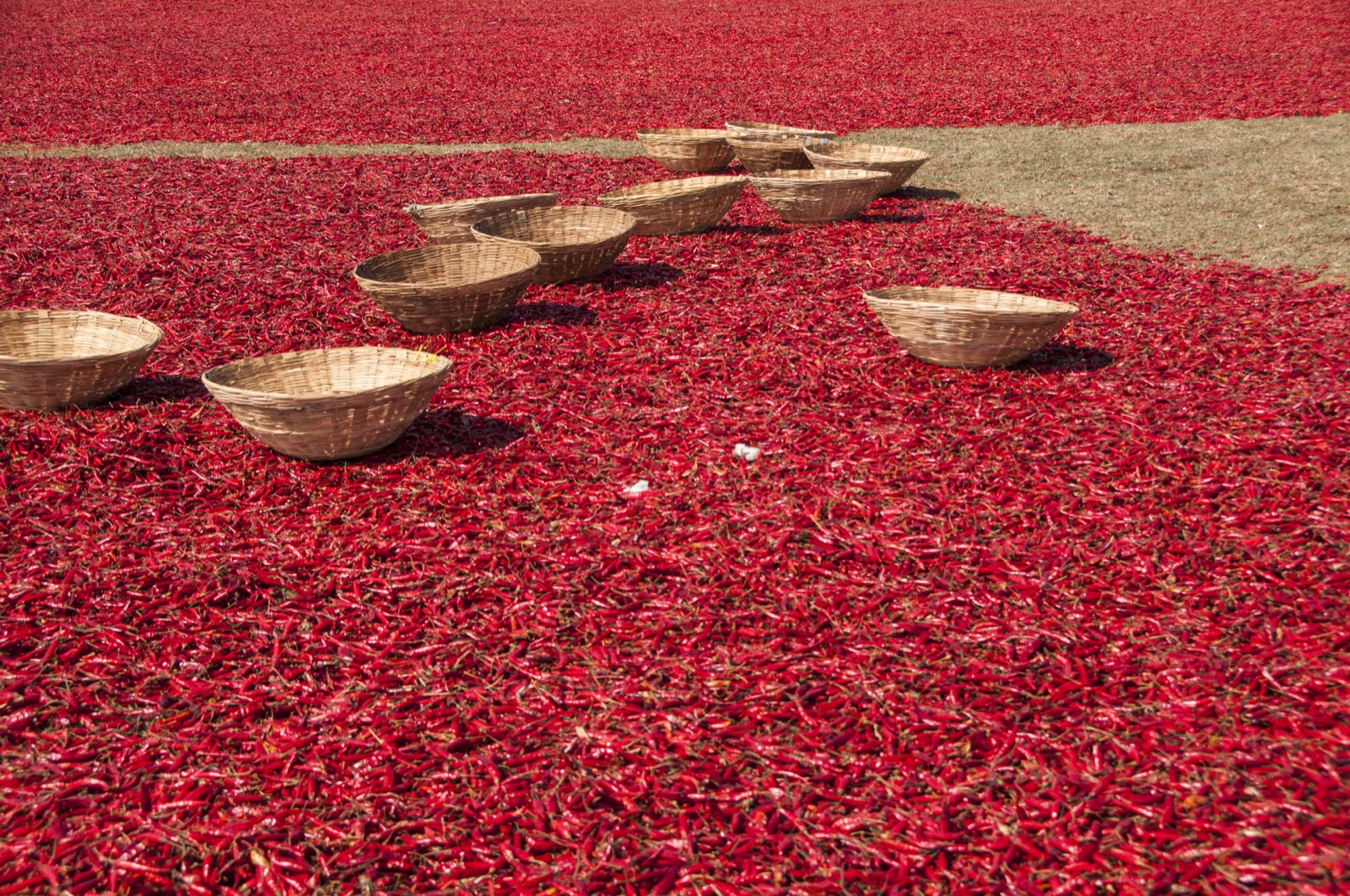
I grew up between Tunis and my grandfather's house in Nabeul, on the Cap Bon peninsula. Cap Bon is the north-eastern tip of Tunisia — a thin finger of land pointing towards Italy, its soil some of the most fertile in the Mediterranean basin. It produces tomatoes, citrus, jasmine, and above all, chilies. The Beldi chili, in particular: small, fleshy, deeply red, with a heat that builds slowly and a flavour that stays.
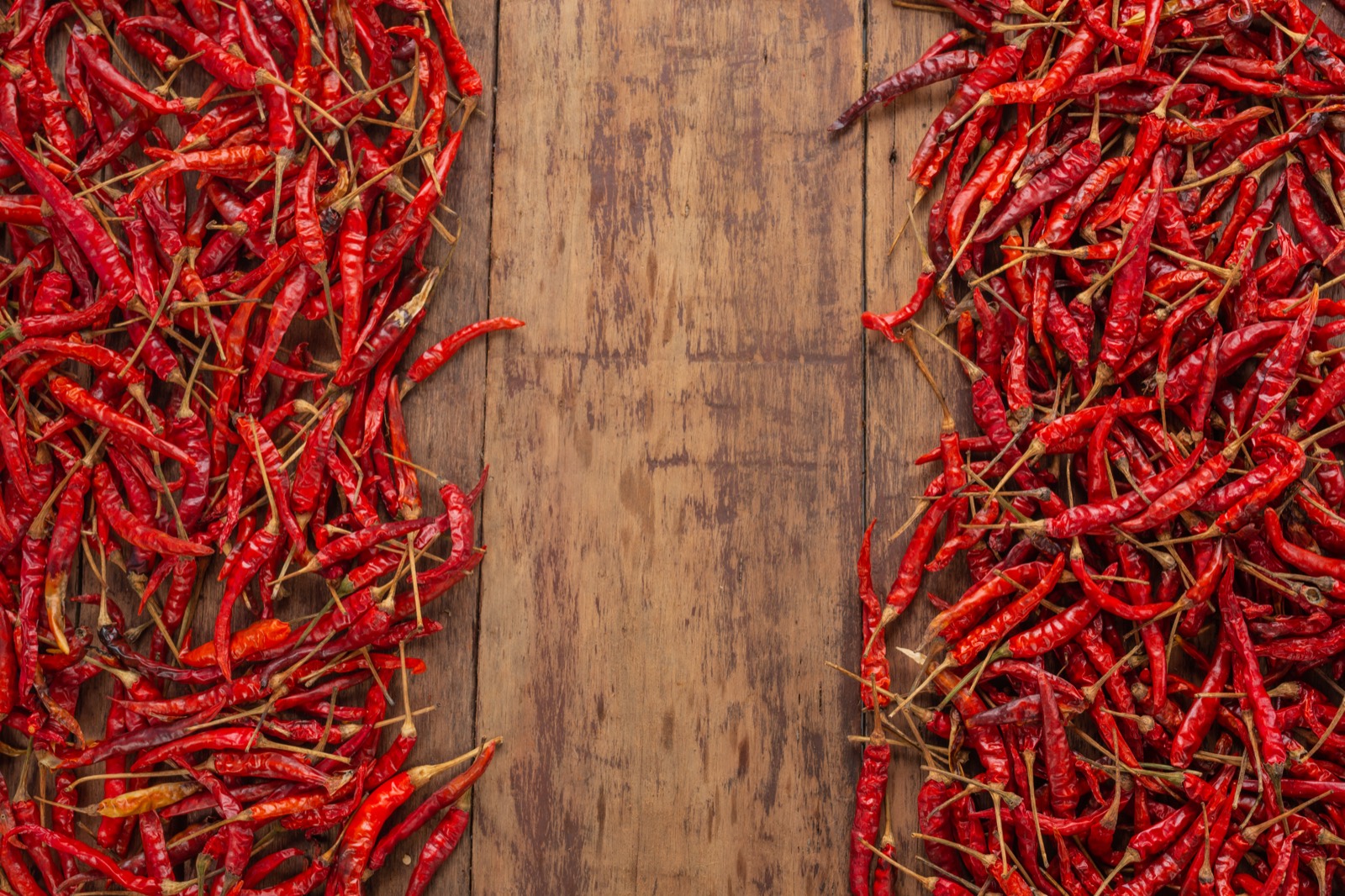
What I knew the place by, before anything else, was the smell of our kitchen during Harissa season. Dried red chilies soaking overnight in big clay pots. Garlic by the fistful. Coriander and caraway seeds crushed in the mortar. Olive oil folded in slowly until everything came together into something thick and brilliant red.
It was not a recipe anyone followed from a book. It was just what we did, the way we had always done it. In Tunisia, nobody asks whether there is Harissa on the table. That is a given. What changes is whose recipe you are eating, and how much pride goes into it. Ours had a great deal.
"In Tunisia, every family has its own harissa. The question was never whether to make it — only whose version you preferred."
The problem with the shelf
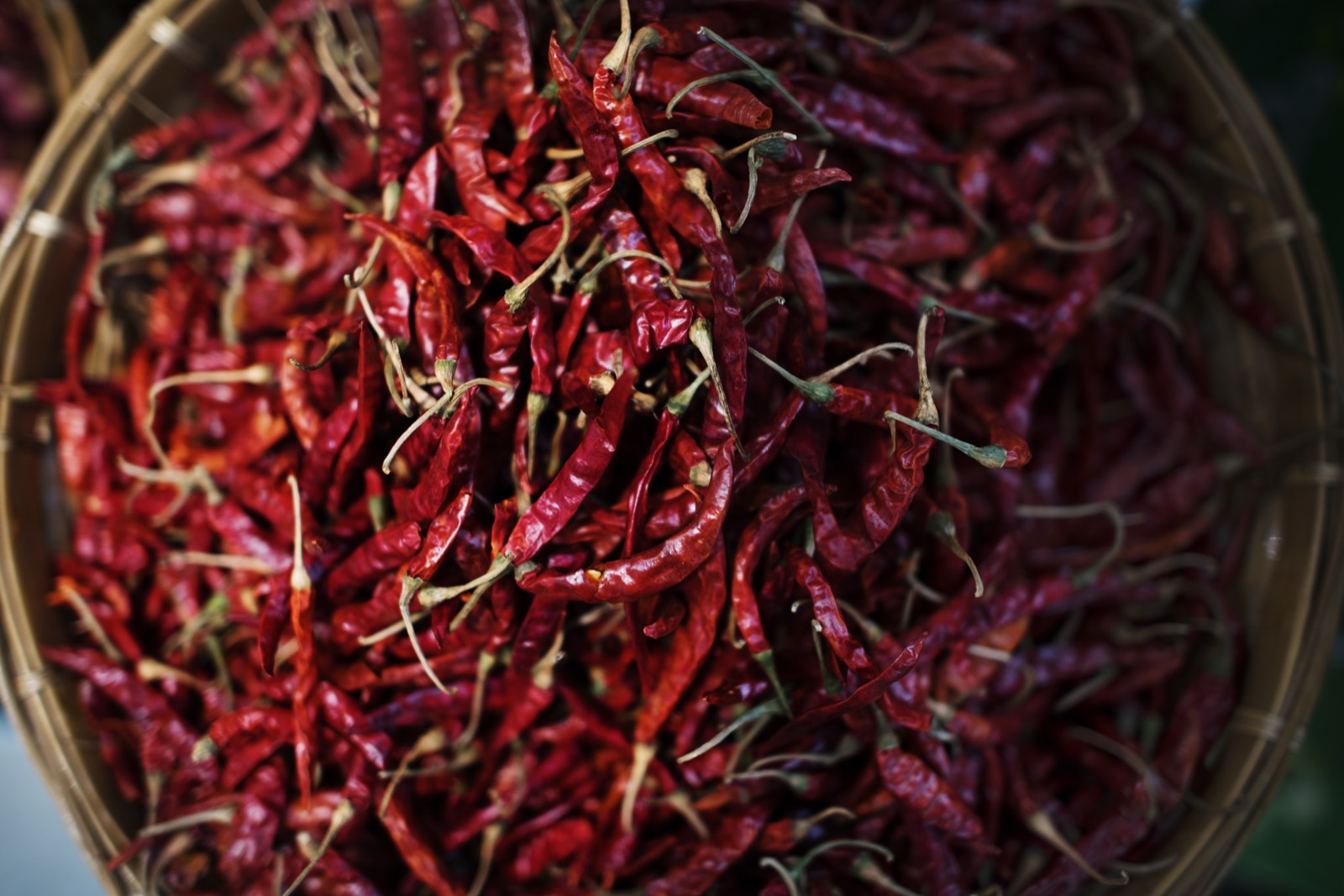
I moved to London nearly eight years ago. And then I started seeing Harissa on every shelf. Supermarkets. Markets. Meal kits. Airline menus. Restaurant menus. London had discovered it, and I was glad — because the product deserves that attention.
But the labels said all sorts of countries. One brand called it a "North African-inspired chili paste," as if Tunisia was a compass direction rather than a country with a specific geography and a specific culinary tradition. Another listed the origin as "EU" — which is not a country at all. Several didn't name an origin at all.
I understood what had happened. Harissa had become a flavour profile. A category. It had been separated from its place, the way many foods are when they travel. The problem is that when something travels so far from its origin that the origin disappears, that is not sharing. That is erasure. And once I had noticed it, I could not leave it alone.
My father's unfinished idea
My father was a brilliant agricultural engineer. He spent his life working with the land — the soil, the seeds, the slow logic of growing things properly. He understood intimately what Cap Bon produced, and what that produce was worth. He was passionate, calm, and endlessly patient. He believed that Tunisian food deserved a place in the world that reflected its actual quality.
He had a dream of building a food brand rooted in our region. Something that would carry the produce of Cap Bon into the world with the respect it deserved — not as a generic ingredient, but as something with a name, a place, a story.
He passed away nearly thirteen years ago. He never got to build it. That idea stayed with me not as grief, but as something unfinished. A reasonable ambition that simply hadn't yet found its moment.
When I found myself standing in a London supermarket, reading a harissa label that named a country that had never grown the peppers inside the jar, I understood that the moment had arrived. I decided I would build what he had in mind. Not as a tribute. As a continuation.